
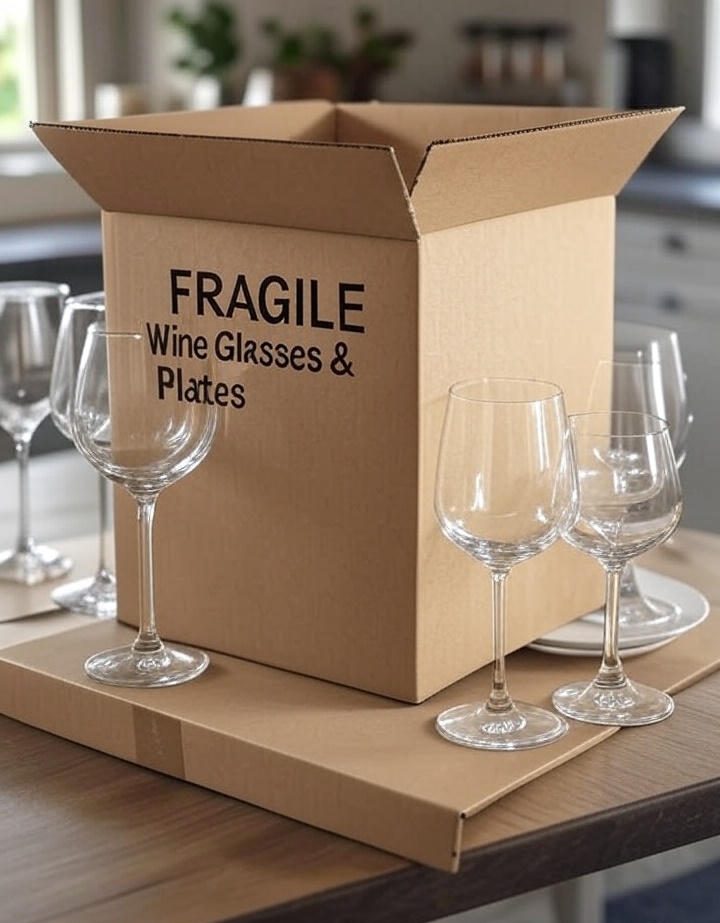
Moving a kitchen is no small feat. For chefs, caterers, and food enthusiasts, relocating cherished kitchen equipment, delicate wine collections, and fragile dining sets can feel like a high-stakes mission. Every item, from a seasoned cast-iron skillet to a rare vintage Bordeaux, holds sentimental and practical value. The challenge lies in ensuring these culinary essentials arrive intact, ready to transform a new space into a functional and inspiring kitchen. With careful planning and professional help, the process can be seamless, even for the most passionate home cooks or professional chefs.
Why is moving a kitchen so complex? Kitchens are the heart of a home, filled with items that are often heavy, oddly shaped, or fragile. Think about a chef’s collection of knives or a caterer’s industrial mixer. These aren’t just tools; they’re extensions of their craft. Add in delicate glassware or a wine collection sensitive to temperature changes, and the stakes get higher. For those in Greenwich, Connecticut, hiring the best movers in Greenwich CT can make all the difference. Companies like Experia use specialized packing materials, such as padded crates and custom dividers, to protect everything from fine china to bulky appliances. Their labeling system ensures that every box ends up in the right spot, saving time during unpacking.
Packing Tips for Culinary Treasures
Start with a plan. Before packing a single item, take inventory of your kitchen. Group items by category: cookware, glassware, appliances, and perishables. This helps prioritize what needs extra care. For fragile dining sets, wrap each piece individually in bubble wrap or foam padding.
“I learned the hard way that stacking plates without padding is a recipe for disaster,” says Sarah, a caterer who moved from a rural Connecticut farmhouse to a Manhattan apartment.
She now swears by using dish barrels, sturdy boxes designed for fragile items.
Wine collections require special attention. Temperature fluctuations can ruin a bottle’s flavor, so invest in insulated wine carriers. For long-distance moves, consider climate-controlled transport. Label each box clearly with “Fragile” and “This Side Up” to avoid mishandling. Experia’s movers, for example, use precise labeling systems to ensure delicate items like wine bottles are handled with care. One client, a sommelier named James, shared how his 200-bottle collection arrived without a single crack, thanks to custom foam inserts.
Real-Life Moving Stories
Real moves bring real challenges. Take Maria, a home cook who relocated her vintage Le Creuset cookware from Vermont to Brooklyn. The heavy enamel pots were prone to chipping if not packed properly. Her movers used thick moving blankets and secured each pot in a separate box to prevent movement. “I was nervous, but everything arrived in perfect condition,” she recalls. Similarly, a Greenwich-based chef named Alex faced the daunting task of moving his commercial-grade espresso machine. The movers disassembled it, wrapped each component, and reassembled it in his new kitchen, thanks to Experia’s post-move handyman services.
What about oversized equipment? Caterers often deal with large appliances like stand mixers or deep fryers. These require custom crates or pallets to prevent damage. Wrapping cords tightly and securing loose parts is key. One caterer shared how she taped appliance manuals to each item, ensuring setup was a breeze in her new space. Experia’s team often goes a step further, offering to reassemble and test appliances post-move, so kitchens are up and running quickly.
READ ALSO: Moving with Everything from your Old House including food and furniture
Why Professional Help Matters
Not all moves are created equal. While DIY packing might work for clothes, kitchens demand expertise. Professional movers like Experia use high-quality materials, such as corrugated cardboard for heavy items and cushioned dividers for glassware. Their post-move services, like installing shelves or reconnecting appliances, can save hours of frustration. “I didn’t realize how much I needed a handyman until I saw my new kitchen in disarray,” says Maria. Experia’s team had her shelves up and appliances plugged in within a day.
How can you ensure a smooth transition? Communication is key. Share your needs with your movers upfront, whether it’s extra padding for a crystal decanter or a climate-controlled truck for wine. Label boxes by priority to unpack essentials first. For foodies, setting up the kitchen immediately creates a sense of home. As James the sommelier puts it, “Opening a bottle of wine in my new place felt like a victory, thanks to the movers who got it there safely.”
Making the New Kitchen Yours
A new kitchen is a fresh start. Once the boxes are unpacked, take time to organize. Group similar items together, and test appliances before diving into cooking. Experia’s post-move services can help with tasks like mounting pot racks or adjusting cabinet shelves. For chefs and foodies, a well-organized kitchen sparks creativity. Whether you’re moving from a sprawling farmhouse or a cozy city apartment, preserving your culinary essentials ensures your passion for food thrives in your new space.
